
Every year, MacEwan faculty research a vast range of topics – from Disney to squirrels and everything in between – and 2025 was no exception. There’s nothing more on-theme for a new year than a countdown, so we’re running through our top 10 most-read research stories of the year.

10. Authors who jump into their own novels
Dr. Marla Epp takes a literary approach to research. She analyzes the “historical investigator,” a contemporary writer who inserts themselves into their own novel. The associate professor in the Department of Humanities is especially curious about how narrative in a story is divided between the author’s role as archival researcher and storyteller piecing together a moment in history. French author Christine Montalbetti’s approach is her current focus. Read more about her here.

9. Using Disney classics to teach economics
Dr. Junaid Jahangir asks if Disney classics, like Cinderella – now 75 years old – can help teach economics. The associate professor in the Department of Anthropology, Economics and Political Science looks at scholarly, popular and student critiques of how economics is taught, including analyzing the myth of meritocracy – that people get what they deserve. Read the full article originally published in The Conversation Canada.

8. Behind the Screens of cyberbullying
Jananee Rasiah has taken her interest and experience in video production and tackled a topic that hits close to home for many young people: cyberbullying. The associate professor of nursing directed Behind the Screens – an interdisciplinary short film developed by MacEwan faculty, students, staff and alumni that provides a unique take on victims of cyberbullying and their hope for the future. Learn more.

7. Getting lost – and found – in postmodernism
English professor Dr. Joshua Toth’s research focuses on narrative works that frustrate the illusion of realism, so that readers get lost in them – stories like Harry Potter. Read more about his work.
 Student research
6. Looking at the heavy burden of Canadian 50-somethings
Dr. Gail Low, an associate professor in the Faculty of Nursing and the chair of International Health, looks at the load that Canadian 50-somethings carry. Between paid work, formal volunteer hours and the many informal volunteer hours – over 1.2 million of them – supporting family members, both younger and older, she explains that this group is definitely carrying a heavy burden. Read the full piece originally published in the The Conversation Canada.
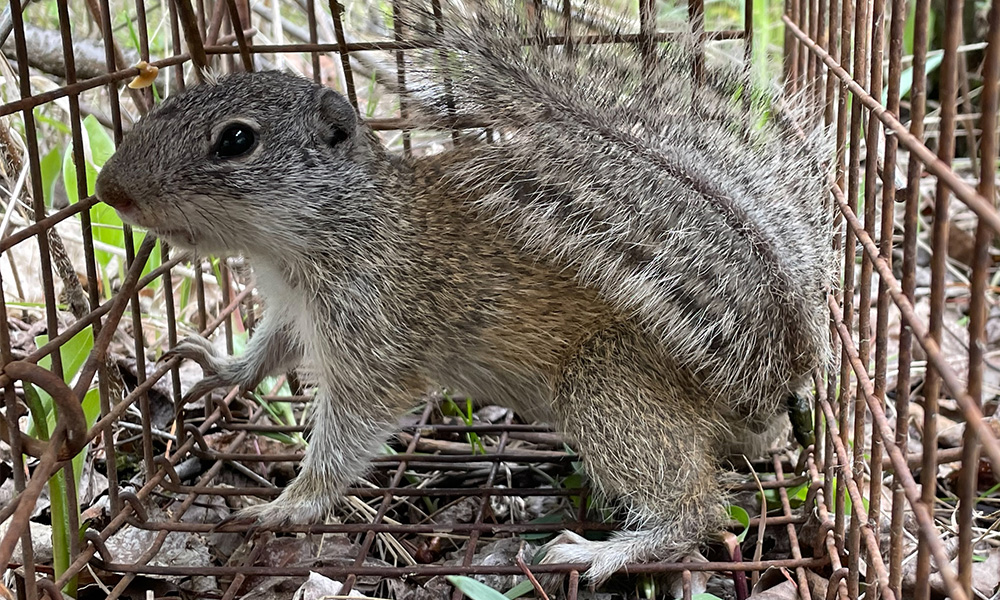
5. Squirrely about squirrels? This research might change how you feel
Squirrels may not be a species we’d consider endangered – they seem to be everywhere – but Dr. Jessica Haines thinks they might need our help, especially one specific species called the Franklin’s ground squirrel. That’s why she’s doing research, along with student research assistants and citizen scientists. Read more to find out why these tiny creatures have earned her respect.
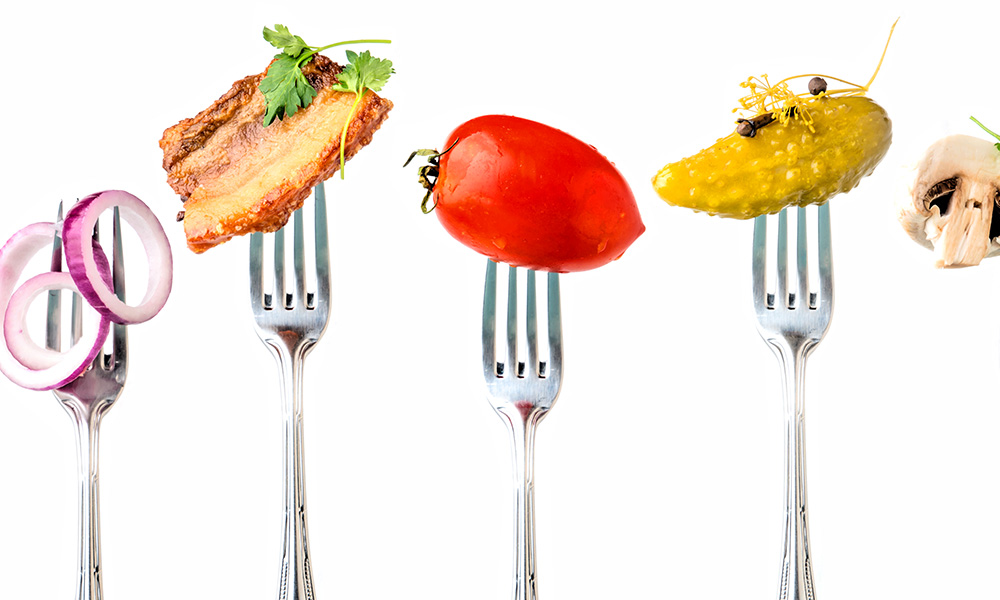
4. Is Gouda a good idea before bed?
If you’ve ever wondered if the food you eat before bed has an effect on your dreams, you’re in good company. Professor Emeritus Dr. Russ Powell teamed up with other researchers, asked people about their consumption habits before hitting the pillow and found some interesting results – including the relationship between cheese and nightmares. Read more about their research, originally published in The Conversation Canada.

3. Can you identify a narcissist by their eyebrows?
Narcissism may be a bit of a buzzword, but Dr. Miranda Giacomin says it can have detrimental effects on people’s real lives. She wants to know if there’s a way we can detect narcissism from first impressions or even photographs of people. Learn more about her work.

2. Canada’s response to tariffs increased consumer burden
Tariffs continue to be a hot topic for many nations around the globe. Dr. Subhadip Ghosh, a decision sciences professor, has some opinions about how Canada responded and retaliated to tariffs coming out of the United States. His full article, originally published in The Conversation Canada, looks at what Canada got right and areas for improvement. Read the full article.
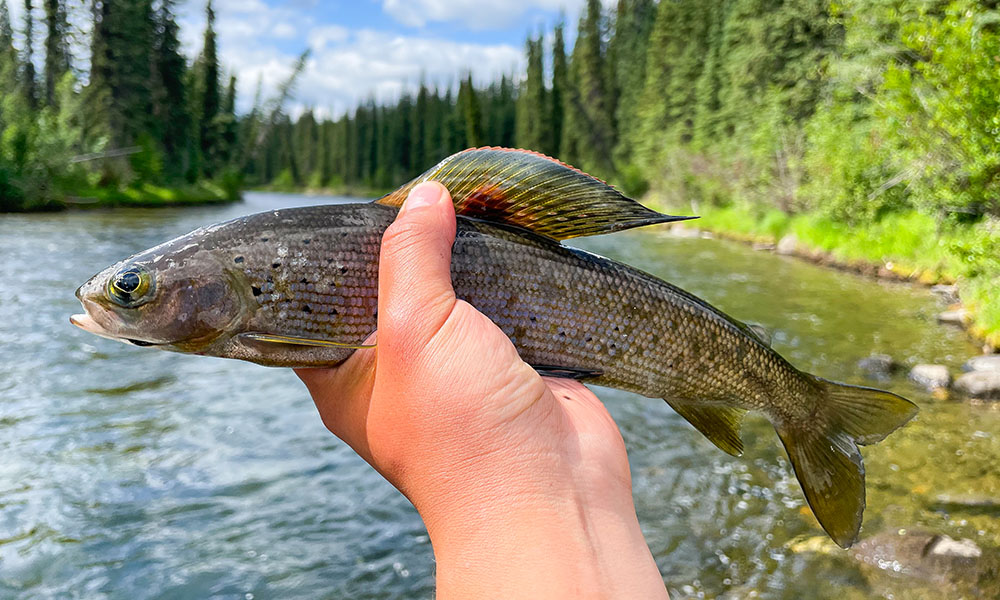
1. Arctic graylings – one prof’s favourite catch
If you fish for sport, you might have caught – and then released – an Arctic grayling, a species that has the attention of Dr. Joshua Miller. The biological sciences professor is fishing for more information about this species of special concern in collaboration with Government of Alberta biologists and Trout Unlimited. The team examines graylings across the continent to see if different lineages are more adapted to certain environments. Read the full story.