After more than a decade of researching and publishing two books focused on how coercive institutions detain populations, history prof Dr. Aidan Forth’s research is setting off in new directions.
Just as his earlier books provided a roadmap to understanding the global history of camps, he hopes his new project, Empires in Motion: Transport, Technology, and Global Connectivity, 1815-1914, will shed light on how the challenges and dilemmas people faced in the past can inform the challenges we face today – including technological change.
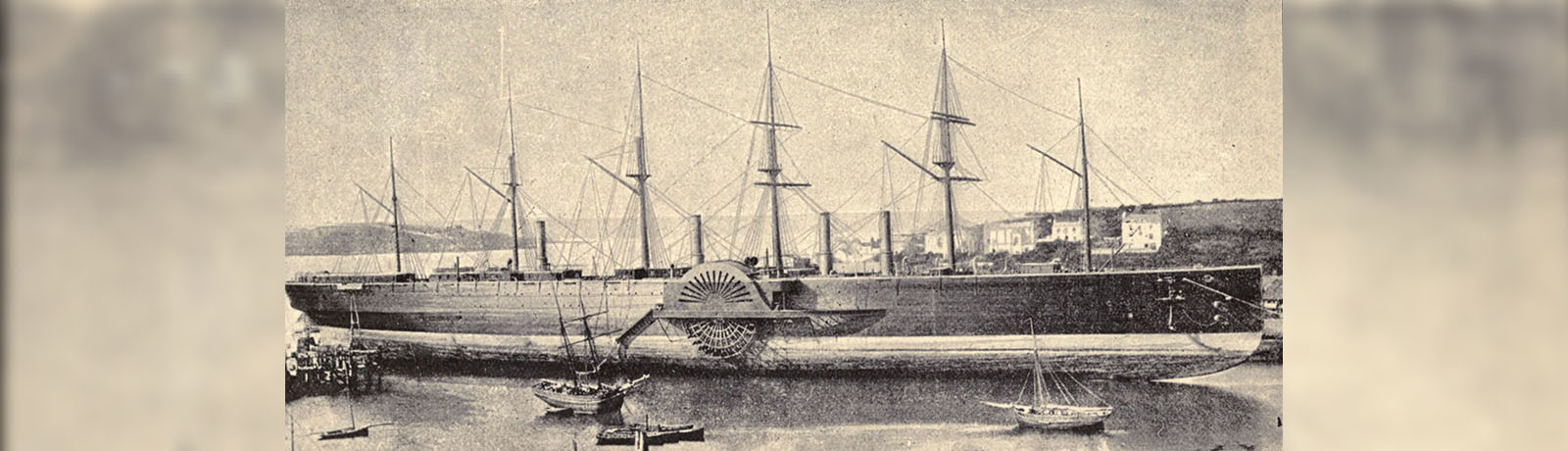
What could issues like AI-driven automation and social media addiction possibly have to do with what was happening in the 1800s? More than you might think, says Dr. Forth. As the skilled, artisanal craft of sailing a ship was lost to mechanization and steam power, there was a great shift in the way people interacted with the world around them.
While marine technology was de-skilling sailors and automating longshoremen jobs, it was also making travel much easier and more comfortable – but less meaningful or transformative.
“Steamships augured a new economy of scale – everyone has seen the Titanic and how absolutely enormous the ships became,” explains Dr. Forth. “More people were travelling than ever before. Yet, the more the world globalized, the more xenophobic it became,” explains Dr. Forth.
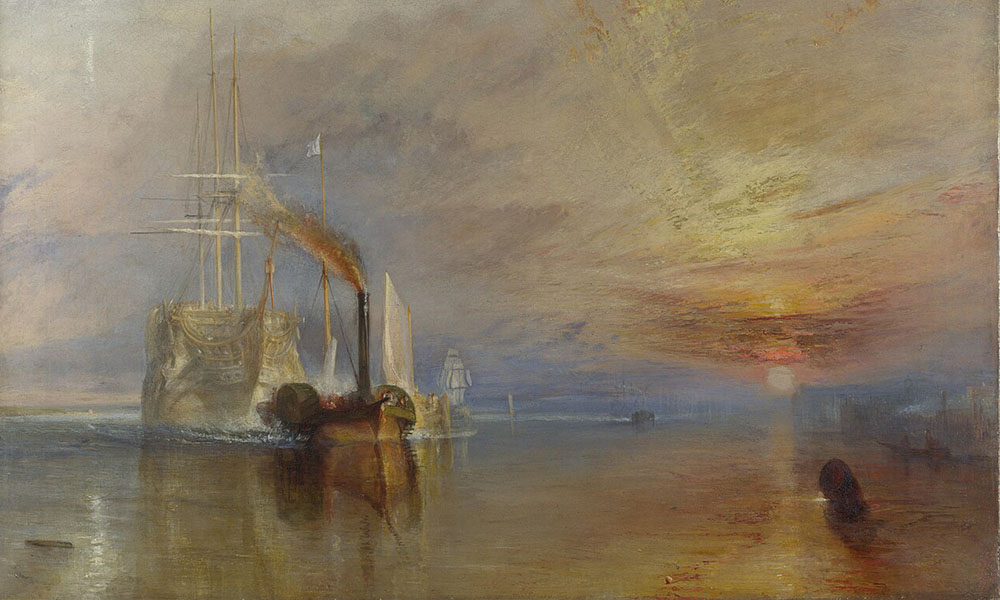 This famous 1839 painting by Joseph Mallord William Turner captures a graceful sailing ship being tugged to the scrapyard by a smoke-belching steam tug. Wikimedia Commons.
Fans of the new technology believed that steamships would bring people together and create a new era of global peace and understanding. But travel to foreign lands and the cross-cultural interaction that came with it, Dr. Forth’s research suggests, often only confirmed stereotypes and reinforced prejudices rather than dispelling them. And the ships themselves often turned into instruments of racism and imperial war.
“This history of the virtues and pitfalls of early globalization, and of the technologies that connected that world, is highly relevant to our own globalized moment,” he says. “Thanks to social media, we’re living in a time of instant communication, in which cultural and geographical distance can be effortlessly transcended; but we’re also more divided and more disconnected from each other than we ever have been before.”
As nationalism and xenophobia creep back into our politics, says Dr. Forth, looking at how those processes played out in the globalizing world of the 19th century can, hopefully, offer some wisdom for how the same dilemmas and challenges are being faced today, particularly as they relate to rapid technological change and new patterns of global interaction.
“Lessons from the past aren’t always direct and straightforward, but they can add up to greater understanding and greater wisdom that can serve us in the present,” he says. “I think my contribution is to open up discussions and conversations within civil society.”
The “lessons of history,” he adds, can help us think seriously and critically about technological change and the types of human connections that new technologies – whether steamships and telegraphs, or Facebook and Instagram – either facilitate or forestall.
Watch the full episode where Dr. Forth talks more about digging into archives around the globe and his earlier research on camps.