The ways that humans interact with the environment have long-term effects, both positive and negative. MacEwan students are looking for answers to their own questions about the environment – from squirrel behaviour to microplastics in fresh water to how smartphone apps can encourage people to pick up litter.
 Learn more
Do squirrels have self control?
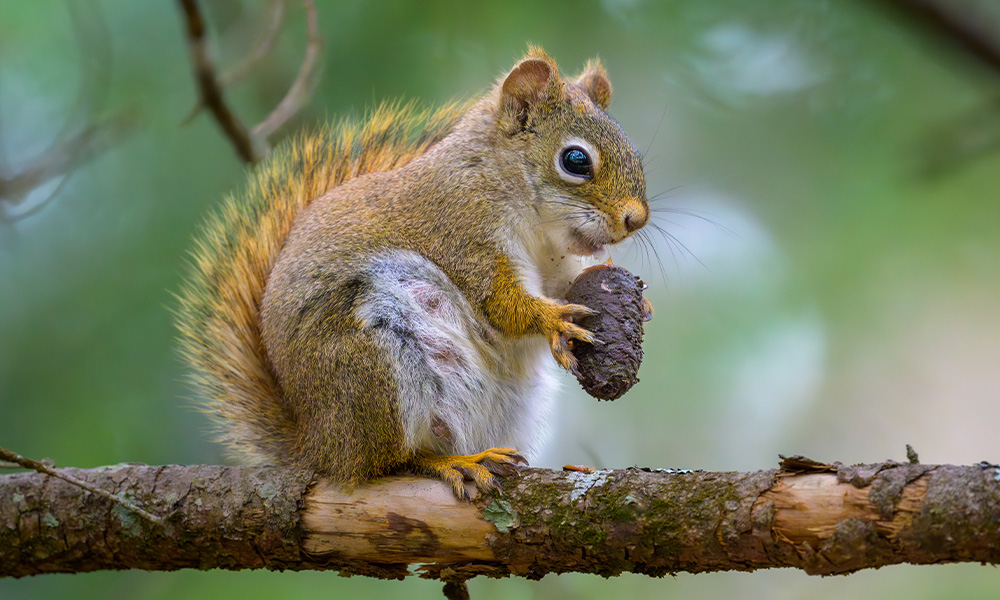
When Marko Muselin set out to choose a topic for his Psychology Honours thesis, he was still thinking about his original minor in biological sciences. He had taken courses in animal behaviour and cognition with Dr. Shannon Digweed and jumped at a chance to research squirrels’ self-control alongside her.
In animals, Muselin says, self-control is about adaptability – the need to think in a new way to achieve a goal. He set up a test where the most direct line between a squirrel and a food source was interrupted by a transparent barrier.
“Animals aren’t as familiar with clear plastic, so when they see food, they take the most direct route and bump into the plastic,” he explains. Squirrels who navigated around the barrier within a certain amount of time demonstrated that they were able to consider their situation and find a new way to obtain their reward.
Preliminary findings, says Muselin, were positive. He adds that the squirrels’ ability to work around unexpected obstacles hopefully translates into resiliency in other environments that are rapidly changing due to human intervention.
“We have a responsibility to care for the environment, and part of that means doing everything we can to understand it. Doing so requires a sense of empathy and can be a small act of reparation in the broader goal of stewardship over the Earth.”
Analyzing microplastics in freshwater
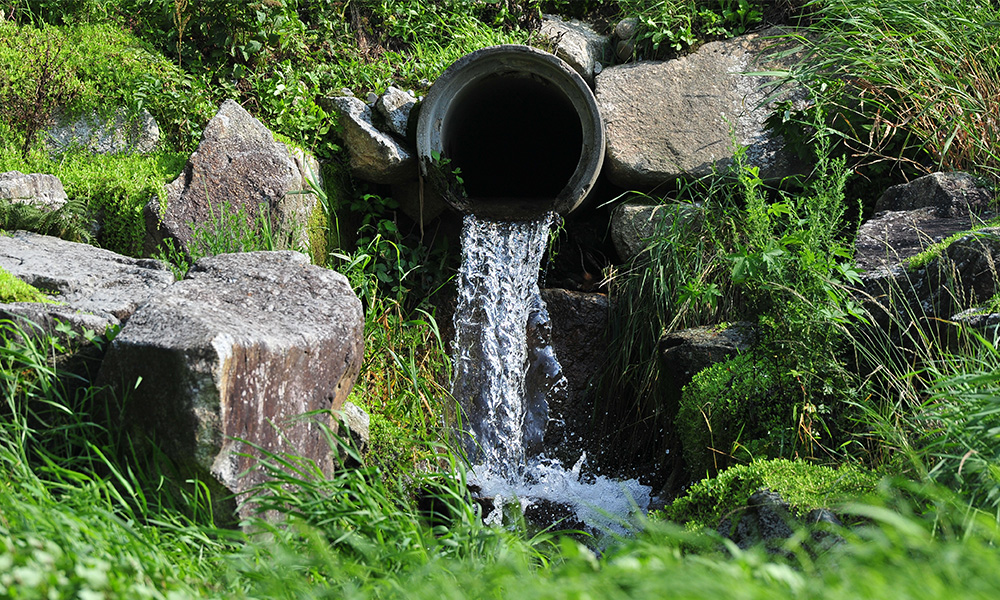
“Learning about how big of an issue microplastics are made me want to explore the environmental side of chemistry even more,” says Bachelor of Science student Layal Zidan. Alongside Dr. Matthew Ross, she created a new way to measure more types and sizes of microplastics in freshwater systems, which are measured in wastewater treatment plants.
Initial lab tests involved extracting water samples and using fluorescence staining to assess more varieties of microplastics using microscopy. The researchers then implemented the same methods at Calgary’s Bonnybrook wastewater treatment plant.
The results will allow for a broader understanding of the microplastics present in our water and where they come from.
“Microplastics don’t just come from obvious things like plastic straws or bags. They’re in everyday stuff like clothes, makeup and skincare products too,” says Zidan. “Even though we don’t talk about it as much as we should, microplastic pollution is a huge issue.”

Environmental portrayals in the media
“How the Earth is portrayed in the stories and media we consume – whether as an antagonist, protagonist, victim or villain – shapes how we think, feel and act in response to the climate crisis,” says Alyssa Rhodes.
Cultural trauma refers to a catastrophic event that disrupts a group’s cultural identity and narratives, and Rhodes hypothesizes that industrialization and environmental degradation are causing widespread and prolonged cultural trauma as populations need to change their traditions and practices to adapt. To support this theory, the Sociology Honours student worked with Dr. Jeffrey Stepnisky on a comparison of media narratives on climate change with other narratives that have been identified in other cultural trauma research.
“We often frame climate change in physical, scientific or political terms, but it is deeply social and cultural,” says Rhodes. “We are enduring a shared trauma – one that is both global and intertwined with the Earth.”
Building resource guides for wildlife rehabilitation
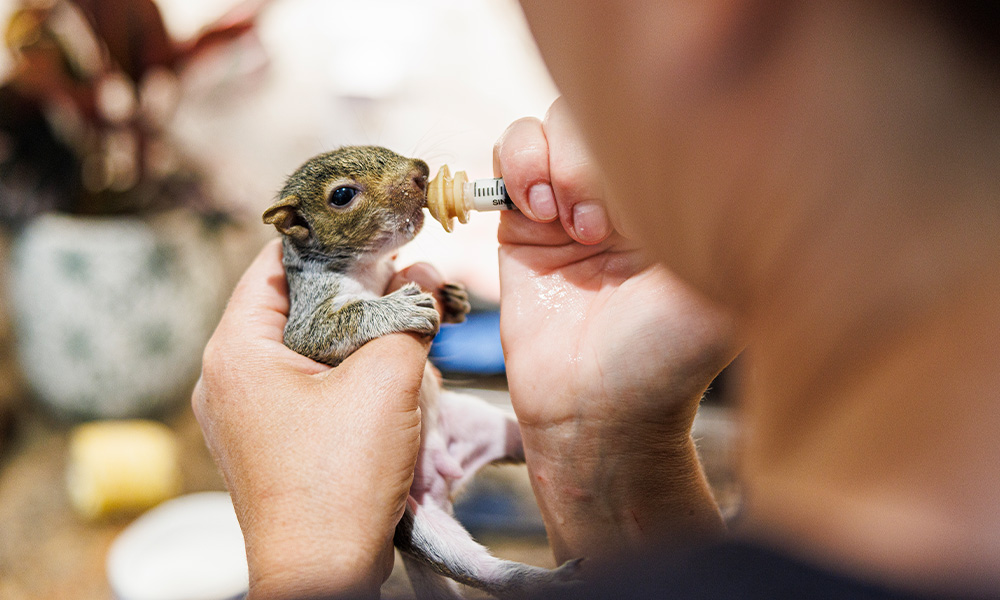
After working at WILDNorth wildlife rehabilitation centre for a few years, Bachelor of Science student Max Buchanan saw ways that volunteers could improve care levels using updated information. Under the supervision of Dr. Shannon Digweed, they set about compiling resources into care guides for three species: American red squirrels, black-billed magpies and Swainson’s hawks.
The care guides were put together using existing resources used by WILDNorth, along with scientific literature, wildlife rehabilitation journals and lectures.
“Every species is unique in a multitude of ways, and if your aim is to provide rehabilitative care for a species, understanding what makes them special is a great step to take,” says Buchanan.
They add that volunteers are the backbone of non-profits in general, and making their jobs easier with resources like this is important. In compiling the care guides, Buchanan found that their previous understanding of the three species wasn’t as all-encompassing as they’d previously thought. “I thought that three years was enough time to get to know them, but I learned a lot more than I bargained for.”
How apps can encourage sustainable action
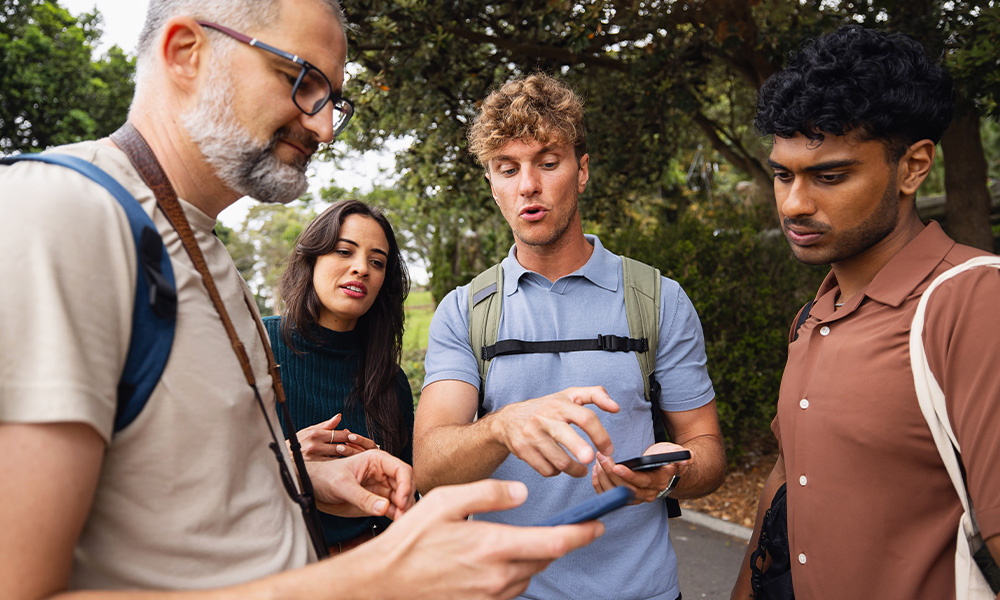
In exploring the gap between environmental awareness and personal responsibility, computer science student researcher Vedsai Vangapandu worked with Dr. Chinenye Ndulue to evaluate SAAF, a mobile app prototype designed to promote pro-environmental behaviour in Saudi Arabia.
The study examined how the app could support cleaner public parks.
“The app allows users to report litter, join clean-up tasks, work with others and earn points for verified contributions,” says Vangapandu. “We found that features such as self-monitoring, verified rewards and teamwork were especially effective in making the app feel motivating, clear and trustworthy.”
The evaluation also showed that cultural context matters. Competitive features such as leaderboards were less effective, while collaborative features were better received. Privacy concerns around location-based reminders also shaped how persuasive the app felt to users.
“Technology for social good works best when it is designed around people, not just features,” says Vangapandu.
Analyzing chemical effects on zebrafish
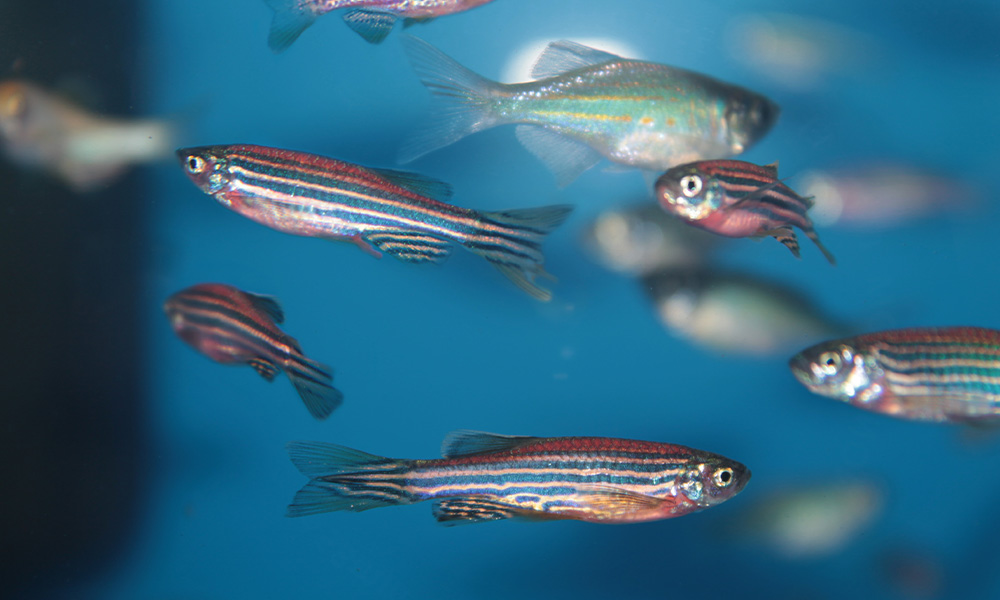
Perfluorooctanesulfonic acid (PFOS) is a chemical compound that has been used in everything from food packaging to firefighting foam, explains Bachelor of Science student Ashley Kutcher. The durability of the chemical made it desirable as a surfactant for things like stain resistance and metal plating, but that’s also the reason it’s now contaminating water supplies and affecting humans, aquatic life and the environment. Kutcher joined Dr. Trevor Hamilton and Dr. Matthew Ross in the lab to test the effects of PFOS on zebrafish.
“The products we use affect the environment and, therefore, organisms worldwide,” says Kutcher. Her research into PFOS provides insight into some of the ways human actions can have long-term effects on species we might not directly interact with regularly.
Three groups of fish were tracked for 40 days, with two groups receiving specific doses of PFOS, and one group receiving none. Kutcher used motion-tracking software to assess locomotion, boldness and anxiety-like behaviour.
Though her research is ongoing, she hopes that any future findings may be used for real change. “The information gained from this research could inform further research into how we can mitigate its effects and reduce PFOS consumption.”
Increasing sustainability in oil sands tailings
Emily Chatwin, Bachelor of Science ’25, got some real-world experience working with CanmetENERGY Research Centres, Natural Resource Canada’s longest-running oil sands tailing project.
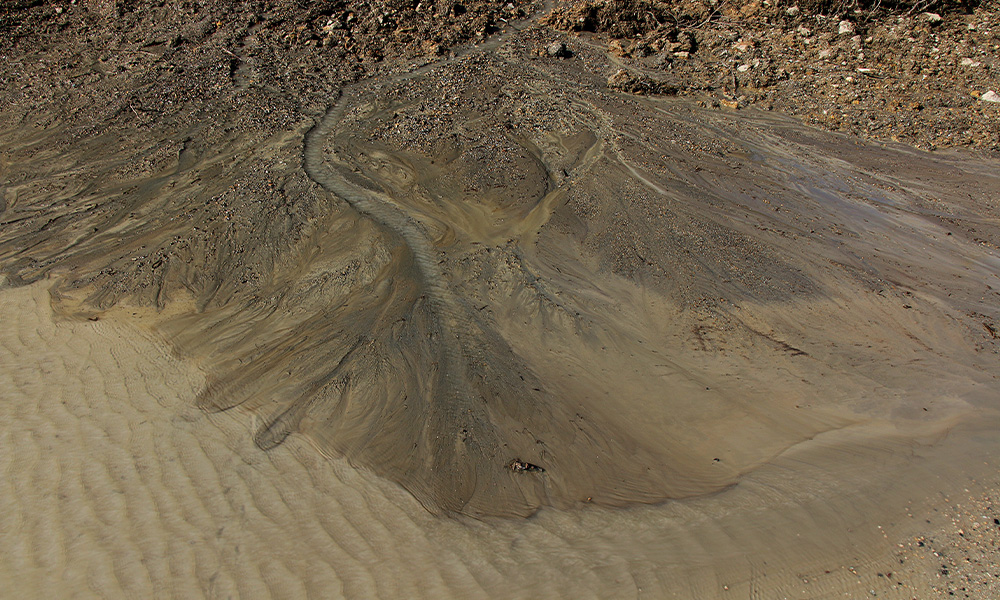
She spent her practicum evaluating tailings reclamation strategies to understand how water chemistry evolves under different reclamation strategies impacting water quality parameters. These small-scale versions of real-world conditions allowed Chatwin to test whether the contaminants could affect surface and groundwater quality over time.
“This work provides valuable insights to make sure tailings do not lead to contamination and that contributes to protecting our environment,” says Chatwin. “This experience shifted my perspective from thinking like a student to thinking in an industry setting.”